
Search BlockBee
Search BlockBee blog posts and documentation.
Cryptocurrency Payment Gateways: What Merchants Need to Know
Learn how cryptocurrency payment gateways work, what merchants should compare, and how BlockBee helps businesses accept Bitcoin, USDT, and 100+ crypto payments.
Short answer: cryptocurrency payment gateways let merchants accept Bitcoin, USDT, USDC, Ethereum, and other crypto payments through hosted checkout pages, API-generated payment addresses, payment links, ecommerce plugins, QR codes, and webhook/IPN notifications. A good gateway should make crypto checkout easy for customers while giving the business reliable order matching, clear settlement rules, low fees, and control over funds.
For merchants, the choice is not only about “accepting crypto”. The real decision is how the gateway handles checkout UX, supported coins and networks, callbacks, payout or settlement flow, custody, ecommerce plugins, API quality, and operational edge cases like underpayments, expired payments, delayed confirmations, or customer support disputes.
What is a cryptocurrency payment gateway?
A cryptocurrency payment gateway is software that connects a merchant checkout or platform to blockchain payments. Instead of manually asking customers to send funds to a wallet and reconciling transactions by hand, the gateway creates a payment request, shows payment instructions or a hosted checkout, monitors the blockchain, and sends a webhook/IPN when payment activity is detected or confirmed.
Depending on the implementation, the gateway may provide a hosted checkout URL, a dedicated deposit/payment address, a QR code, payment links, ecommerce plugin integration, or a direct API for custom flows.
How cryptocurrency payment gateways work
- Create the order: your store or platform creates an internal order, invoice, user deposit, or checkout session.
- Create the crypto payment: your backend calls the gateway API or plugin to create a hosted checkout/payment address.
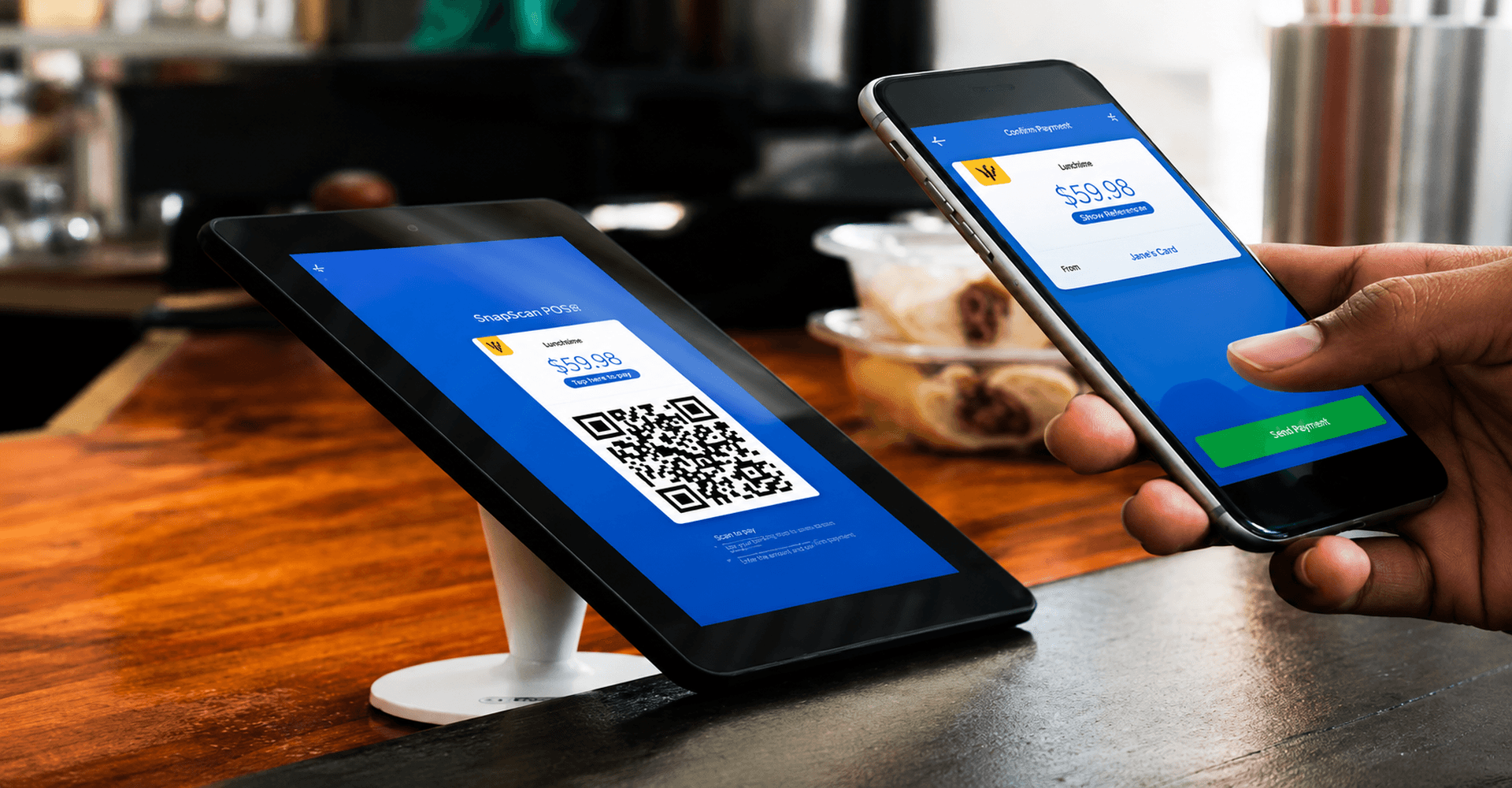
- Show payment instructions: the customer sees a checkout page, QR code, supported coins, amount, and payment address.
- Monitor the blockchain: the gateway detects pending and confirmed transactions according to the selected network rules.
- Receive webhook/IPN updates: your backend receives payment status events and updates the order safely and idempotently.
- Settle or forward funds: depending on the provider model, funds are forwarded to your wallet, held in a custodial balance, or handled through a self-custodial/direct-wallet flow.
Hosted checkout vs API-generated payment addresses
Hosted checkout is usually the fastest implementation path. The gateway creates a payment URL, the customer completes payment on the hosted page, and your system receives callbacks. This is useful for ecommerce stores, SaaS checkout, invoices, donations, and businesses that want fewer custom frontend requirements.
API-generated payment addresses give developers more control. Your system creates a unique address or payment request for a customer/order, renders the checkout UI itself, and uses callbacks/webhooks to reconcile transactions. This is better for marketplaces, wallets, exchanges, forex platforms, and products with custom payment UX.
Crypto payment gateway vs crypto payment processor vs wallet
| Term | What it means | Merchant use case |
|---|---|---|
| Crypto payment gateway | Checkout/API layer for accepting crypto payments and receiving payment events. | Accept payments on websites, apps, platforms, invoices, or ecommerce stores. |
| Crypto payment processor | Often used broadly for providers that process crypto payments, routing, checkout, settlement, and merchant tooling. | Compare vendors, fees, coins, settlement, plugins, and business features. |
| Wallet | The place funds are received, held, or controlled. | Store or receive crypto, but usually not enough by itself for order reconciliation and checkout automation. |
What merchants should compare before choosing a gateway
When comparing cryptocurrency payment gateways, merchants should look beyond headline coin support. The practical differences usually show up in checkout UX, API quality, webhook reliability, custody model, supported networks, network-fee handling, and operational workflows.
- Fees: compare payment fees, withdrawal/forwarding costs, network-fee behavior, and volume discounts.
- Supported cryptocurrencies and networks: confirm support for BTC, ETH, USDT, USDC, stablecoin networks, and the coins your customers actually use.
- Checkout experience: hosted checkout, QR code, payment links, plugin UX, mobile usability, and payment status messaging.
- API and webhooks: endpoint clarity, webhook reliability, test tools, idempotency, and logs.
- Ecommerce plugins: WooCommerce, Magento, PrestaShop, OpenCart, Odoo, Shopify, or custom integrations.
- Custody model: whether funds are held by the provider, forwarded to your wallet, or handled through a self-custodial/direct-wallet flow.
- Operational features: underpayment handling, confirmations, callbacks, refunds/manual support workflows, and mass payouts where needed.
- Business fit: ecommerce, forex, SaaS, marketplaces, donations, POS, payment links, and developer platforms may need different payment flows.
Cryptocurrency payment gateway comparison checklist
Use this checklist to compare providers against the implementation details that usually matter after launch: checkout, API reliability, supported assets, custody model, ecommerce integrations, and cost structure.
| Feature | What merchants should compare | BlockBee support |
|---|---|---|
| Hosted checkout | Payment URL, QR checkout, and a clear customer payment status page. | Yes |
| API payments | Create payment requests or addresses from backend systems. | Yes |
| Webhooks/IPN | Reliable payment status callbacks for order reconciliation. | Yes |
| Supported assets | BTC, ETH, USDT, USDC, stablecoins, and altcoins. | 100+ cryptocurrencies |
| Ecommerce plugins | WooCommerce, Magento, and other ecommerce integrations. | Yes |
| Custody model | Whether payments are held by the provider or routed to merchant-controlled wallets. | Self-custodial/direct-wallet oriented flows |
| Fees | Transparent pricing, network-fee handling, and volume discounts. | Starts at 1%, with volume discounts down to 0.25% |
| Business use cases | Ecommerce, forex, SaaS, platforms, donations, POS, and payment links. | Supported through checkout, API, plugin, and payment-link flows |
Custodial vs non-custodial cryptocurrency payment gateways
A custodial gateway may receive or hold funds on behalf of the merchant before withdrawal or settlement. A non-custodial or self-custodial model is designed to give the merchant more direct control over funds, often forwarding payments to merchant-controlled wallets or operating with wallet flows where the business controls the destination.
The right model depends on the business. Some merchants prefer custodial convenience and fiat settlement; others prefer lower custody risk, direct wallet settlement, and more control over crypto operations. For a deeper comparison, see custodial vs non-custodial crypto payment gateways.
Where BlockBee fits
BlockBee helps businesses accept crypto payments through hosted checkout, API payment flows, payment links, ecommerce plugins, QR/payment utilities, callbacks, and payout-related workflows. It supports 100+ cryptocurrencies and is built for merchants and platforms that need practical crypto payment infrastructure without building blockchain monitoring and checkout logic from scratch.
BlockBee fees start at 1%, with volume discounts that can lower fees down to 0.25% for eligible high-volume merchants. Businesses can start from the dashboard and connect payment flows through the BlockBee checkout payments documentation.
When to use a dedicated gateway instead of manual wallet payments
Manual wallet payments can work for one-off transactions, but they are fragile for production commerce. A gateway becomes important when you need order matching, webhooks, expiration handling, payment status pages, customer support visibility, predictable accounting, and audit trails for payments.
Related guides
- best crypto payment processors and gateways
- best payment gateways for small businesses
- WooCommerce crypto payment gateway
- Magento crypto payment gateway
- custodial vs non-custodial crypto payment gateways
- BlockBee vs NOWPayments
- checkout payments documentation
- BlockBee dashboard
FAQ
What is a cryptocurrency payment gateway?
A cryptocurrency payment gateway is software that helps merchants accept crypto payments by creating payment requests, showing checkout instructions, monitoring blockchain transactions, and sending webhook/IPN updates when payment status changes.
How do cryptocurrency payment gateways work?
They create a payment URL or address, show the customer the amount and asset/network to pay, monitor the blockchain, and send callbacks to the merchant backend so the order can be marked pending, paid, underpaid, expired, or failed.
What is the difference between a crypto payment gateway and a crypto wallet?
A wallet stores or receives crypto. A payment gateway adds the commerce layer: checkout UX, payment requests, order matching, webhook notifications, expiration handling, and operational tools merchants need to reconcile payments.
Can businesses accept USDT payments?
Yes. Many cryptocurrency payment gateways support USDT across networks such as TRC20, ERC20, BEP20, or Polygon. Merchants should confirm supported networks, fees, confirmations, minimums, and wallet compatibility before enabling USDT payments.
Are cryptocurrency payment gateways non-custodial?
Some are custodial, some are non-custodial, and some support direct-wallet or self-custodial-oriented flows. Merchants should compare whether funds are held by the provider or routed to merchant-controlled wallets.
What fees do crypto payment gateways charge?
Fees vary by provider and can include gateway fees, network fees, forwarding costs, withdrawal costs, or conversion spreads. BlockBee fees start at 1%, with volume discounts that can lower fees down to 0.25% for eligible high-volume merchants.
Do crypto payments have chargebacks?
Blockchain payments do not have card-network chargebacks in the same way card payments do. Merchants still need clear refund, underpayment, overpayment, and support processes.
Which businesses use cryptocurrency payment gateways?
Cryptocurrency payment gateways are used by ecommerce stores, forex platforms, SaaS products, marketplaces, donation platforms, payment-link workflows, POS systems, and businesses serving international customers who prefer digital assets.
For implementation details, see the BlockBee checkout payments documentation or create an account at dash.blockbee.io.
Support
Review Us