
Cryptocurrency Payment Gateway: What Merchants Need to Know Before Integrating One
What Merchants Need to Know Before Integrating a Crypto Payment Gateway. Cryptocurrency payment gateway, crypto payment gateway, online merchants, fiat settlement, ecommerce payments, digital asset checkout.
Merchants researching cryptocurrency payment gateway usually have a simple question behind the search: can this be added without breaking checkout, confusing customers or creating accounting problems. That is the right question. Crypto payments only make sense when they are evaluated as part of a real payment stack, not as a technology experiment.
The current competitive landscape shows a clear pattern. Major providers position crypto payments around fiat or stablecoin settlement, plug-and-play ecommerce integrations, wallet compatibility, compliance controls, lower chargeback exposure and global reach. BitPay and CoinGate emphasise fiat settlement and merchant onboarding. NOWPayments is visible around ecommerce plugins and WooCommerce. Coinbase and Shopify have pushed USDC payments into mainstream commerce conversations. Triple-A, BVNK and WalletConnect frame stablecoins as payment infrastructure rather than crypto speculation.
What the gateway really needs to solve
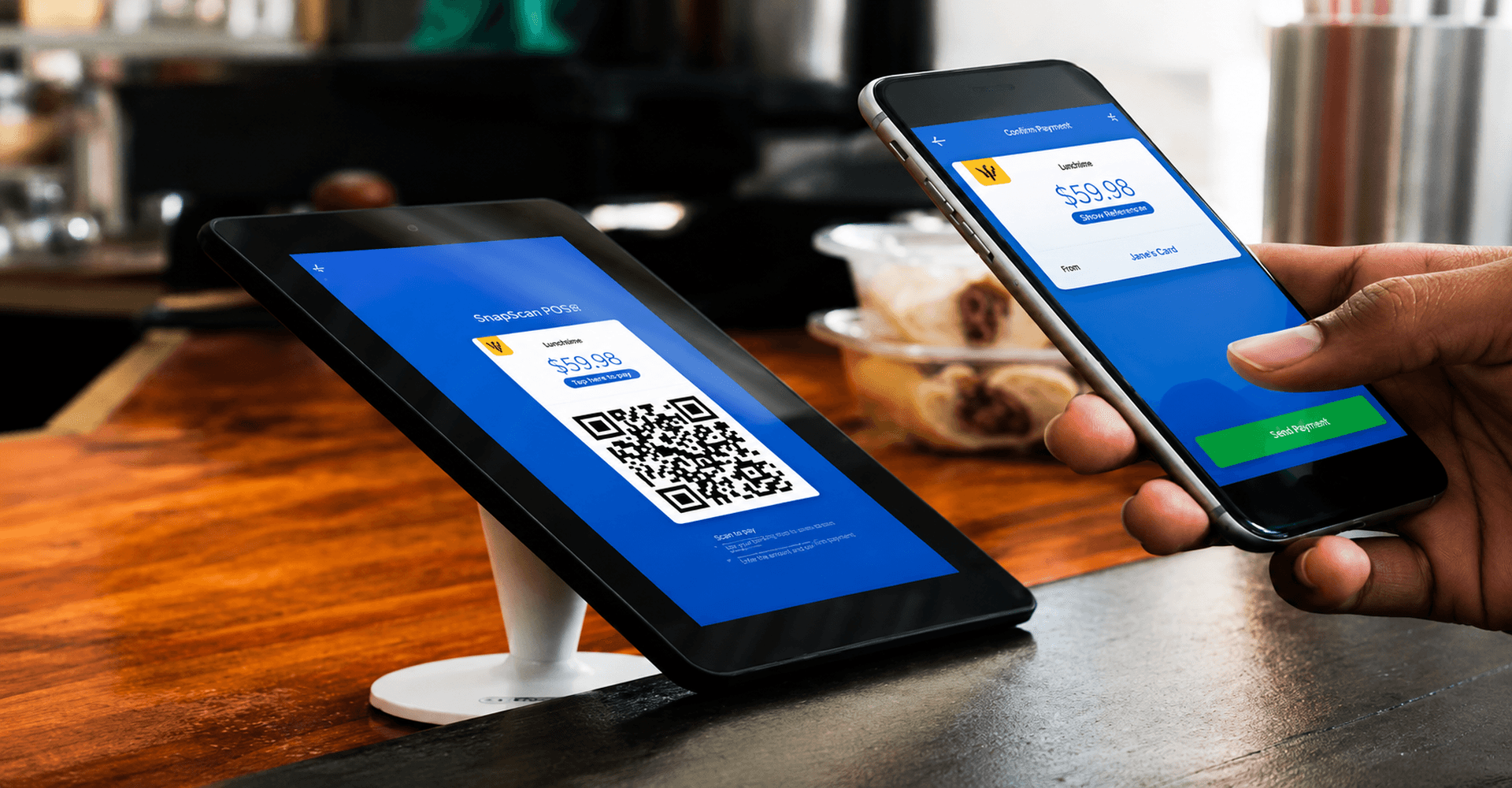
A good gateway is not simply a button that says pay with crypto. It has to price the order correctly, generate a payment request, monitor the transaction, confirm the order, manage settlement and leave a clean record for support and finance. The merchant should not need to watch wallets manually or explain blockchain details to every customer. The buyer should see a clear amount, a supported network, a payment window and an understandable success page. The merchant should see order status, currency, settlement method and reconciliation data.
For a merchant evaluating cryptocurrency payment gateway, this means asking practical questions before choosing a provider. Does the payment method fit the existing store platform. Can the team reconcile orders without manual investigation. Is settlement available in fiat, stablecoins or the asset the business actually wants. Are fees, network costs and conversion spreads transparent. Is support strong enough when a customer makes a mistake at checkout. These details decide whether the payment method becomes useful or becomes another operational exception.
The features that separate serious providers
The strongest providers in this market usually compete on wallet support, supported coins, stablecoin options, fiat settlement, ecommerce plugins, API quality, webhook reliability, reporting and compliance posture. For a merchant, settlement choice matters. Some stores want to receive local currency. Others want USDC or another stablecoin. A few may want to keep selected assets. The gateway should not force one model on every business.
For a merchant evaluating cryptocurrency payment gateway, this means asking practical questions before choosing a provider. Does the payment method fit the existing store platform. Can the team reconcile orders without manual investigation. Is settlement available in fiat, stablecoins or the asset the business actually wants. Are fees, network costs and conversion spreads transparent. Is support strong enough when a customer makes a mistake at checkout. These details decide whether the payment method becomes useful or becomes another operational exception.
How to compare cost and operational risk
Transaction fees are only one part of the cost. Merchants should also consider spread, conversion pricing, payout timing, failed payment handling, refund complexity, support quality and developer effort. A cheap gateway that creates reconciliation work is not cheap. A technically polished gateway that cannot support the store's checkout platform is not practical. The correct comparison is total operational cost, not only headline fee.
For a merchant evaluating cryptocurrency payment gateway, this means asking practical questions before choosing a provider. Does the payment method fit the existing store platform. Can the team reconcile orders without manual investigation. Is settlement available in fiat, stablecoins or the asset the business actually wants. Are fees, network costs and conversion spreads transparent. Is support strong enough when a customer makes a mistake at checkout. These details decide whether the payment method becomes useful or becomes another operational exception.
Where merchants usually make mistakes
The most common mistake is choosing a gateway for coin count instead of payment quality. A merchant does not need hundreds of assets if most buyers will use Bitcoin, Ethereum, USDC, USDT or a small set of major coins. The second mistake is ignoring accounting. The third is launching without a refund policy. Crypto transactions are not card transactions. The business needs a clear process before the first customer pays.
For a merchant evaluating cryptocurrency payment gateway, this means asking practical questions before choosing a provider. Does the payment method fit the existing store platform. Can the team reconcile orders without manual investigation. Is settlement available in fiat, stablecoins or the asset the business actually wants. Are fees, network costs and conversion spreads transparent. Is support strong enough when a customer makes a mistake at checkout. These details decide whether the payment method becomes useful or becomes another operational exception.
A useful decision framework is simple. First, define the buyer use case. Second, decide the settlement model. Third, check the integration path. Fourth, test the complete order lifecycle, including expired payments and refunds. Fifth, measure adoption after launch. That framework keeps the discussion grounded in business value rather than provider claims.
A merchant should treat this like any other serious payment decision. The right solution earns its place by improving reach, reducing friction, supporting settlement and fitting existing operations. If it cannot do that, it is not ready for checkout.
Tagging: cryptocurrency payment gateway, crypto payment gateway, online merchants, fiat settlement, ecommerce payments, digital asset checkout
Start accepting crypto payments with BlockBee
BlockBee helps businesses accept 70+ cryptocurrencies, build custom payment flows via API or plugins, and automate payouts with non-custodial infrastructure.
0% fees for 7 days!
Support
Review Us