
Search BlockBee
Search BlockBee blog posts and documentation.
Crypto Checkout: How to Build a Smoother Payment Experience for Digital Asset Customers
Crypto Checkout: How to Build a Smoother Payment Experience for Digital Asset Customers. Crypto checkout, checkout conversion, wallet payments, payment experience, online store checkout.
The market around crypto checkout has matured quickly. A few years ago, many businesses saw crypto payments as a speculative add-on. Today, the stronger use case is practical: faster global payments, stablecoin settlement, lower acceptance costs in selected corridors, and another checkout option for customers who already hold digital assets.
The current competitive landscape shows a clear pattern. Major providers position crypto payments around fiat or stablecoin settlement, plug-and-play ecommerce integrations, wallet compatibility, compliance controls, lower chargeback exposure and global reach. BitPay and CoinGate emphasise fiat settlement and merchant onboarding. NOWPayments is visible around ecommerce plugins and WooCommerce. Coinbase and Shopify have pushed USDC payments into mainstream commerce conversations. Triple-A, BVNK and WalletConnect frame stablecoins as payment infrastructure rather than crypto speculation.
Why checkout experience decides adoption
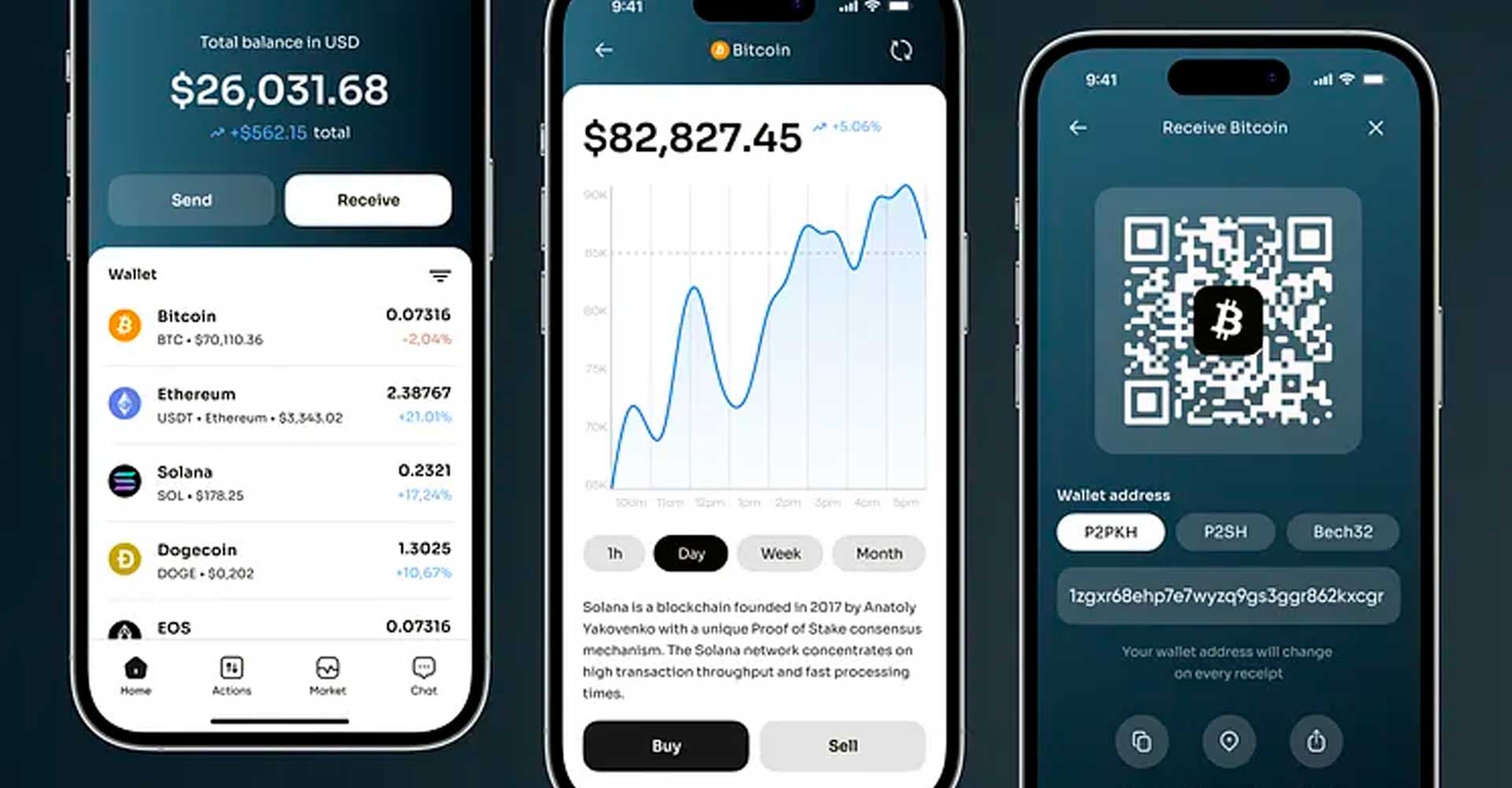
A crypto checkout succeeds only when the buyer knows exactly what to do. Confusing network choices, unclear timers, missing wallet guidance and slow status updates all reduce conversion. The payment step should feel like a payment step, not a technical tutorial. The strongest checkout flows show the amount, currency, network, expiry time, QR code, wallet address and order status in a way that removes doubt.
For a merchant evaluating crypto checkout, this means asking practical questions before choosing a provider. Does the payment method fit the existing store platform. Can the team reconcile orders without manual investigation. Is settlement available in fiat, stablecoins or the asset the business actually wants. Are fees, network costs and conversion spreads transparent. Is support strong enough when a customer makes a mistake at checkout. These details decide whether the payment method becomes useful or becomes another operational exception.
The role of speed and confirmation
Blockchain confirmation time affects the customer's perception of reliability. Some networks settle quickly, while others require more waiting. A merchant does not always need to wait for deep finality before updating the order status, but the business must choose a sensible policy based on order value, asset type and risk tolerance. High-ticket orders deserve tighter controls than low-risk digital purchases.
For a merchant evaluating crypto checkout, this means asking practical questions before choosing a provider. Does the payment method fit the existing store platform. Can the team reconcile orders without manual investigation. Is settlement available in fiat, stablecoins or the asset the business actually wants. Are fees, network costs and conversion spreads transparent. Is support strong enough when a customer makes a mistake at checkout. These details decide whether the payment method becomes useful or becomes another operational exception.
Designing for the non-technical customer
Many buyers who hold crypto are not infrastructure experts. They still expect familiar checkout cues, clear payment instructions and immediate feedback. The best crypto checkout solution should reduce jargon. If a network must be selected, the interface should make that choice obvious. If an underpayment happens, the customer should know whether to top up, restart or contact support.
For a merchant evaluating crypto checkout, this means asking practical questions before choosing a provider. Does the payment method fit the existing store platform. Can the team reconcile orders without manual investigation. Is settlement available in fiat, stablecoins or the asset the business actually wants. Are fees, network costs and conversion spreads transparent. Is support strong enough when a customer makes a mistake at checkout. These details decide whether the payment method becomes useful or becomes another operational exception.
Checkout metrics to watch
After launch, merchants should watch crypto payment starts, completion rate, timeout rate, underpayment rate, support tickets, refund requests and average confirmation time. These numbers show whether crypto is helping checkout or adding friction. A feature that looks impressive but does not convert is not a payment strategy.
For a merchant evaluating crypto checkout, this means asking practical questions before choosing a provider. Does the payment method fit the existing store platform. Can the team reconcile orders without manual investigation. Is settlement available in fiat, stablecoins or the asset the business actually wants. Are fees, network costs and conversion spreads transparent. Is support strong enough when a customer makes a mistake at checkout. These details decide whether the payment method becomes useful or becomes another operational exception.
A useful decision framework is simple. First, define the buyer use case. Second, decide the settlement model. Third, check the integration path. Fourth, test the complete order lifecycle, including expired payments and refunds. Fifth, measure adoption after launch. That framework keeps the discussion grounded in business value rather than provider claims.
For merchants, the winning strategy is not to chase every coin or every headline. It is to build a payment flow that customers understand, finance teams can reconcile and operators can support. When that foundation is in place, crypto can add reach without weakening the core business.
Tagging: crypto checkout, checkout conversion, wallet payments, payment experience, online store checkout
Support
Review Us